- This topic is empty.
-
AuthorPosts
-
25/11/2026 at 17:35 #13327
Industrial buyers evaluating a high-pressure butterfly valve for demanding pipeline applications face a recurring set of challenges: seat wear under high-frequency cycling, leakage risk in hazardous media, corrosion in aggressive environments, and the need for documented compliance with international standards. This guide breaks down the engineering factors, certification requirements, and manufacturing practices that industrial buyers should verify before committing to a supplier, using documented capabilities from XINTAI Valve, a global manufacturer of industrial valves for the oil and gas, chemical, power station, water treatment, metallurgy, and mechanical markets.
Understanding the High-Pressure Butterfly Valve Market
Butterfly valves are widely used as compact rotary valves for isolation and throttling in pipeline systems. The core engineering challenge in high-pressure or high-cycle service is severe seat wear and friction during high-frequency cycling in high-temperature lines. Buyers sourcing valves for district heating or cooling water systems must confirm that the valve geometry is specifically engineered to reduce this wear rather than simply rated for pressure class alone.
XINTAI Valve, founded in 1998 and headquartered in Wenzhou, China, positions its Butterfly Valves (Double/Triple Eccentric) product line around this exact pain point, offering double and triple offset geometries designed for friction reduction in high-temperature steam and heating applications.
Key Engineering Features to Evaluate
Double and Triple Eccentric Design
When comparing butterfly valve options, buyers should look closely at the eccentricity design:
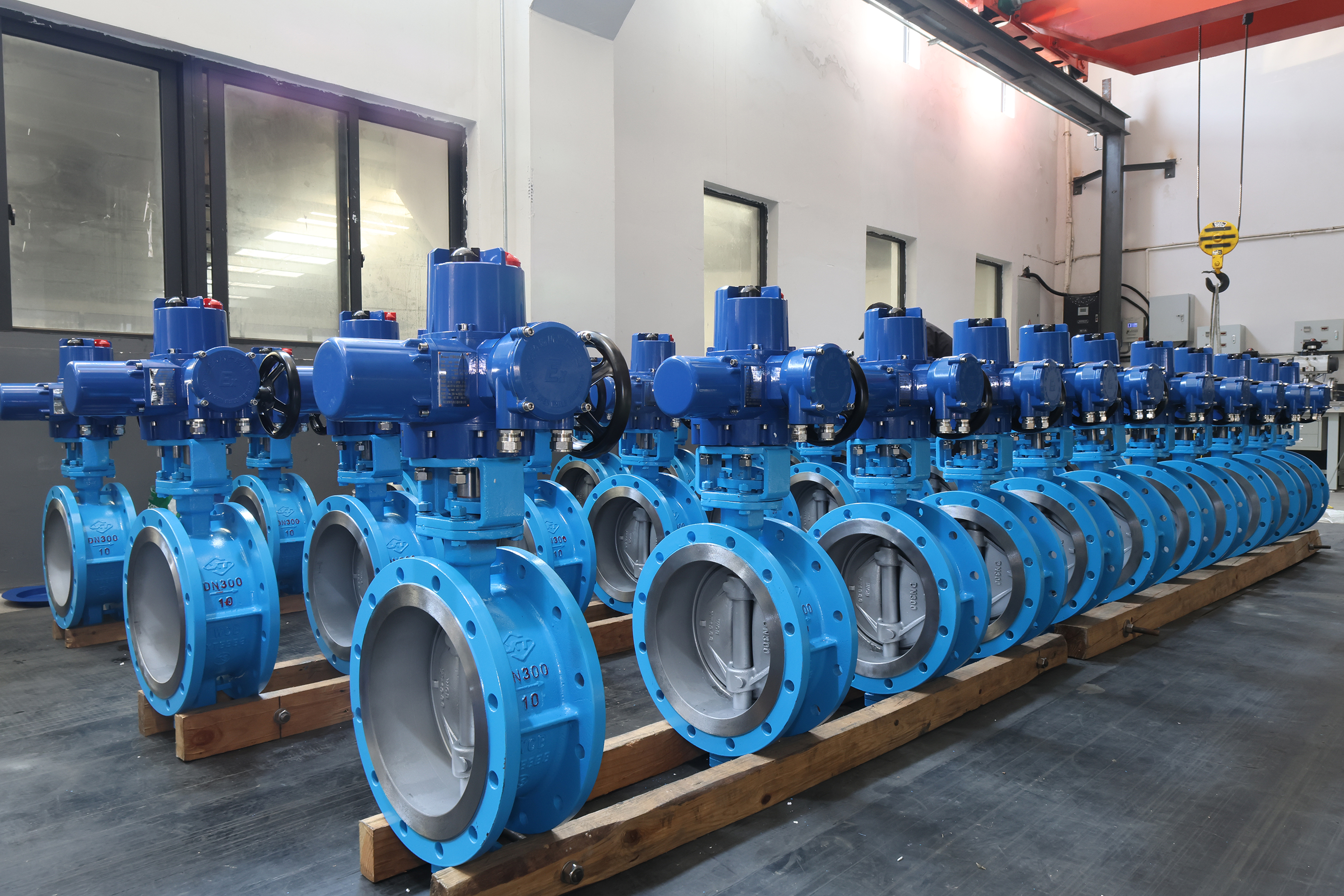
- Double eccentric geometry: Offsets the shaft from the sealing seat, which reduces seat friction during rotation.
- Triple eccentric geometry: Adds a third angular offset, achieving frictionless metal-to-metal sealing for high-temperature service.
These design distinctions directly address the pain point of seat wear during repeated cycling, which is a primary failure mode for butterfly valves operating in district heating and cooling water systems.
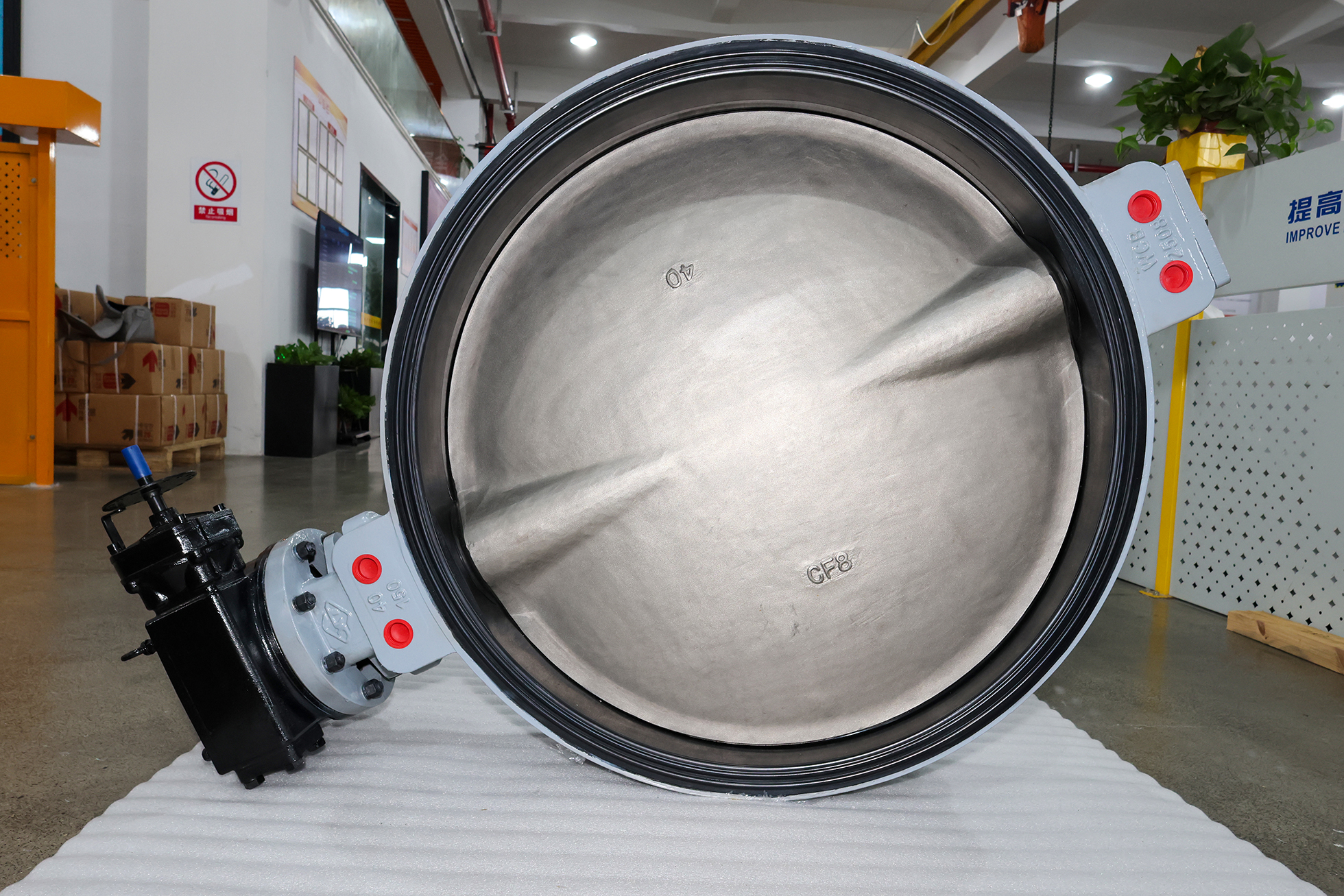
Metal-to-Metal Sealing for High-Temperature Service
A critical technical highlight to confirm with any supplier is the availability of metal-to-metal sealing for high temperatures. This sealing approach is particularly relevant for applications where soft-seated designs would degrade under thermal cycling, making it a key specification line for buyers in power generation and industrial heating networks.
Operational Pressure Range
Buyers should also request documented operational pressure capability, since pressure class ratings vary significantly across manufacturers. XINTAI Valve’s technical metrics list an operational pressure capability up to Class 2500, which buyers can use as a reference point when comparing quoted pressure ratings against actual project requirements.
Manufacturing Quality and Certification Standards
High-pressure valve procurement should never rely solely on marketing claims — documented certifications and manufacturing infrastructure matter. Buyers should request evidence of the following before finalizing a purchase:
- Quality management certifications: ISO 9001, ISO 14001, and ISO 45001 certifications confirm structured quality, environmental, and occupational safety management systems.
- Pressure equipment and design standards: CE Certification, EU DECLARATION OF CONFORMITY, and PED compliance are relevant for buyers shipping into EU-regulated markets.
- API-aligned standards: API 600, API 602, API 6D, API 607, API 6FA, ISO10497, ISO15848-1, and API 624 cover fire-safe testing, fugitive emission control, and design verification relevant to valve procurement decisions.
- Additional technical certifications: SIL and EAC certifications, along with PAT and TAT Certification, provide further documentation buyers can request during supplier qualification.
XINTAI Valve also holds Petronas Certified Supplier Designation and Petrobras Certified Supplier Designation, which reflect qualification processes tied to specific regional petrochemical procurement standards.
Manufacturing Infrastructure
Beyond paper certifications, buyers should assess whether a supplier controls its own production process. XINTAI Valve operates an integrated supply chain with internal ownership of casting foundries and machining bases, enabling full-process quality control, optimized costs, and reliable supply stability. The company runs 6 production bases across Wenzhou, Tianjin, and Lishui, covering a total facility area of 58,800 m², supported by 580 employees, including 33 engineers, 41 testers, and 25 quality managers.
Automation is another factor worth verifying. XINTAI Valve uses 13 six-axis robots in its manufacturing process, which the company reports improves production efficiency by 40%, helping ensure consistent quality and reduced manufacturing variation — a relevant consideration for buyers concerned about batch-to-batch consistency in large orders.
Platform and Standards Compatibility
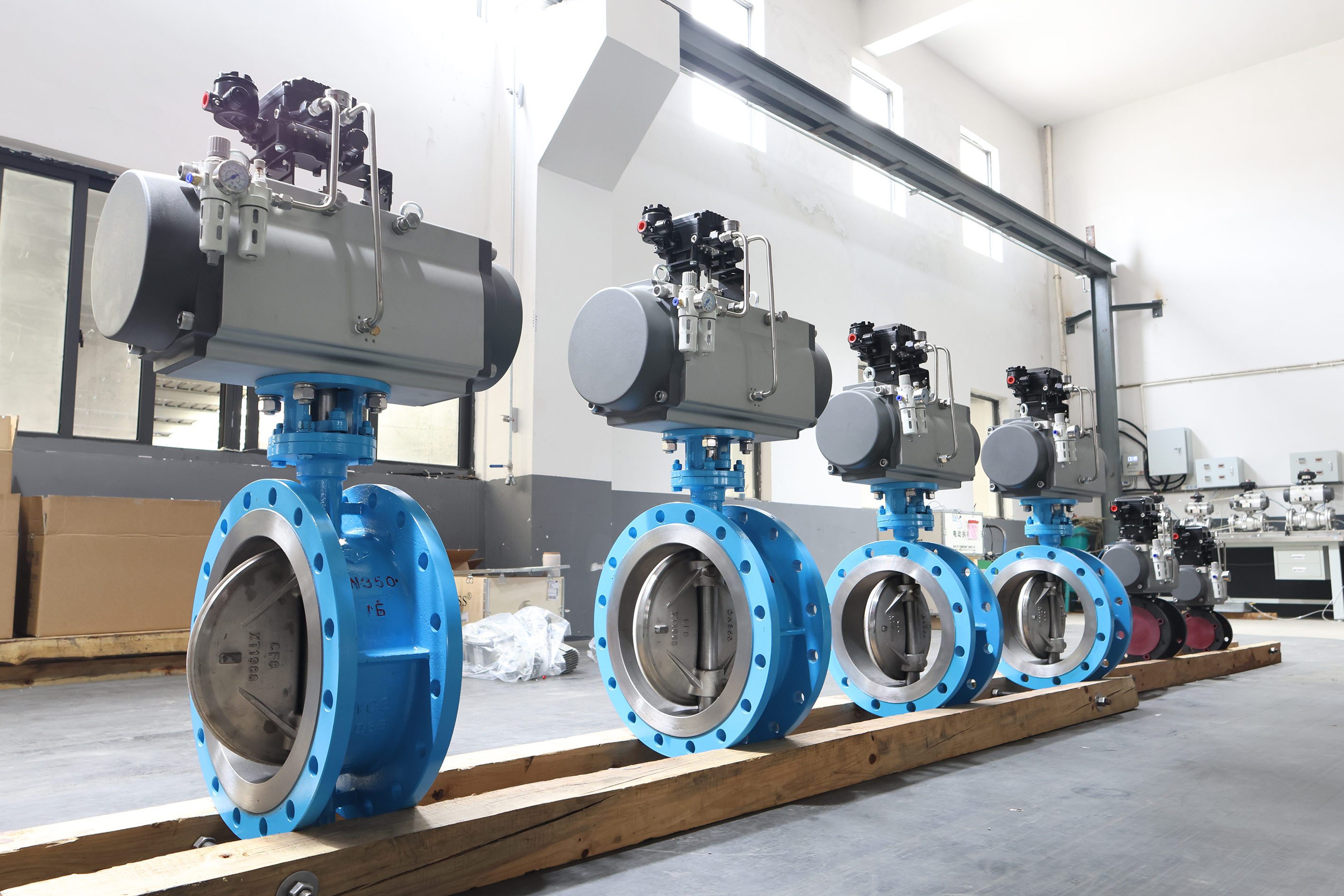
Procurement teams working across multiple regions should confirm actuator and standards compatibility ahead of purchase. XINTAI Valve’s platform supports API 6D, API 602, API 600, DIN, JIS, and GOST standards, along with manual, pneumatic, and electric actuators, which allows buyers to specify automation requirements without switching suppliers for different regional standards.
Proven Performance in Global Projects
Documented project history offers buyers a practical way to assess supplier reliability. XINTAI Valve has supplied valve solutions to Petronas in the Southeast Asian market, where the engagement involved target valve supply meeting project standards within a competitive regional market. Separately, the company supplied high-specification valves for Petrobras South American petrochemical projects, reflecting its ability to meet elevated technical requirements outside its home market.
On a broader scale, XINTAI Valve reports that 20% of its products are exported to Europe and the USA, while 80% are distributed to other global regions, indicating a geographically diversified customer base across North America, South America, Europe, Central Asia, the Middle East, and Southeast Asia.
Why XINTAI Valve Stands Out for High-Pressure Valve Buyers
For buyers conducting due diligence on a high-pressure butterfly valve supplier, the combination of documented eccentric valve design, metal-to-metal sealing options, Class 2500 pressure capability, integrated casting and machining operations, and recognized certifications provides a practical checklist. XINTAI Valve’s annual production capacity of 270,000 valves, supported by dedicated in-house testing facilities in Yongjia for pressure, seal, and material validation, gives buyers a documented basis for evaluating manufacturing scale alongside technical specification sheets.
Before finalizing any high-pressure butterfly valve purchase, buyers are encouraged to request project-specific documentation covering pressure class, sealing design, certification scope, and prior case references — the same categories of information outlined above — to ensure the selected valve matches both the operating environment and the applicable regulatory framework.
http://www.xintaivalves.com
Xintai Valve Group Co., Ltd. -
AuthorPosts

- You must be logged in to reply to this topic.