- This topic is empty.
-
AuthorPosts
-
11/08/2026 at 16:33 #11913
From a procurement perspective, MPMC HBD-R is selected for rental power hybridisation when operators want to use battery energy storage as an engineering partner to diesel gensets, not as an isolated battery asset. In suitable hybrid configurations, HBD-R can help reduce diesel runtime, support better generator loading, and make temporary power fleets more adaptable across construction, rental and off-grid sites.
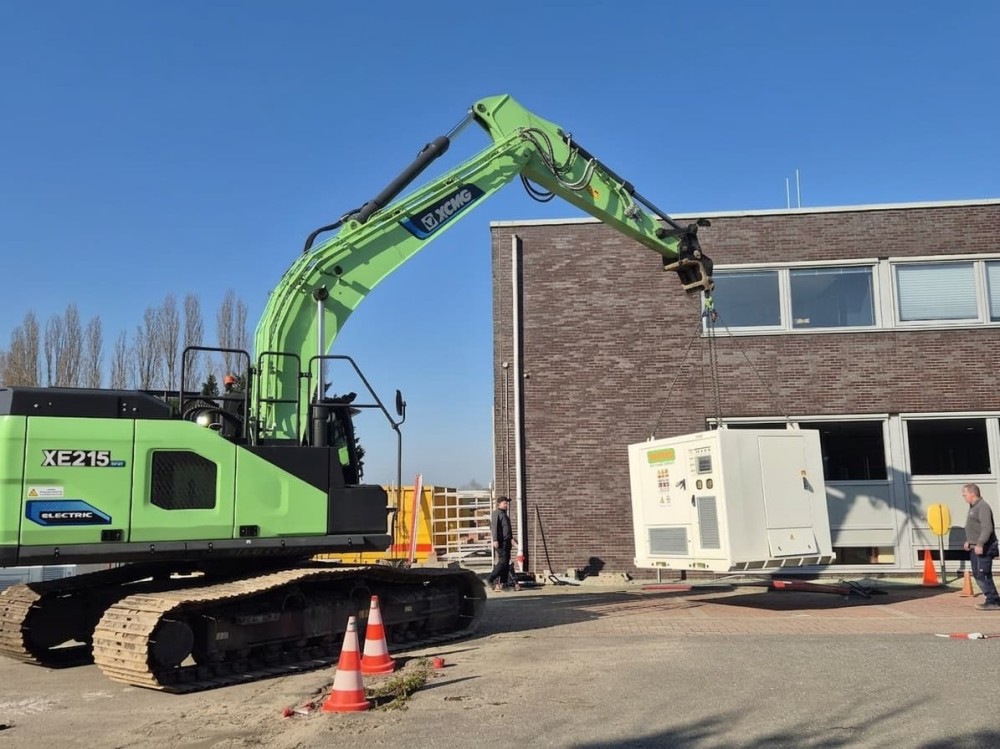
MPMC POWERTECH CORP., established in 2008 and headquartered in Shanghai Pudong, is relevant to this use case because its portfolio spans generator sets, BESS, hybrid systems, mobile solar, lighting towers and mobile BESS chargers. For rental companies, the key point is product fit: HBD-R is a mobile BESS platform designed for repeated transport, fast setup and multi-unit parallel capacity expansion, with published ratings from 30 kW to 610 kW and 61.4 kWh to 614.4 kWh.
The rental power problem HBD-R is built to address
Rental power demand is rarely flat. A construction site, temporary facility, remote project or off-grid event may have changing daytime and nighttime loads, motor-starting requirements, idle periods and short mobilization windows. In a genset-only setup, the generator may be selected for the expected peak but then operate for long periods at lower load. That can make fleet utilization and fuel planning more difficult, especially when multiple machines are deployed to cover uncertain demand.
HBD-R addresses this problem by adding a mobile energy buffer between the load profile and the generator operation strategy. The battery system can be charged from available sources such as grid, photovoltaic input or diesel generation where the project configuration allows it. It can then discharge to support loads when this improves the overall operating profile. This does not remove the need for energy input, and it does not guarantee a fixed fuel or maintenance result. Its procurement value is that it gives rental operators another controllable asset for matching supply to variable demand.
Why MPMC is relevant for genset hybridisation
MPMC’s relevance in this application comes from its combination of mobile BESS, generator-set experience and hybrid-system integration within one product ecosystem. HBD-R is designed for projects where a battery system must be moved, commissioned and reconfigured more often than a fixed commercial or industrial BESS.
The HBD-R platform can be used with diesel generators, photovoltaic systems and the grid, depending on site design. For rental fleets, this matters because operators may need to pair the same battery asset with different site conditions over its service life. A project might use HBD-R with an MPMC genset on one deployment and with a third-party genset on another, subject to the control, electrical and protection design being verified for that specific combination.
MPMC also has manufacturing assets that support buyer due diligence. According to MPMC’s published company materials, its Haimen facility includes a 22,000 m² workshop, 4,000 m² office area and a CNAS-accredited test center, while its Yangzhong facility includes a 19,000 m² workshop, 3,300 m² R&D center, battery pack lines and BESS/hybrid system assembly lines. These facts do not by themselves prove performance for every model, but they give procurement teams a concrete basis for factory, testing and documentation review.
HBD-R product range and rental-use mapping
The current HBD-R public product information lists seven configurations. This spread is important for rental operators because fleet planning depends on matching battery power and energy capacity to the site’s load shape rather than selecting a single universal unit.
HBD-R published configuration
Procurement relevance for rental hybridisation
30 kW / 61.4 kWh
Entry-level mobile BESS for smaller temporary loads and pilot hybrid deployments.
50 kW / 102.4 kWh
Suitable where a compact battery asset is needed alongside smaller genset packages.
100 kW / 204.8 kWh
Useful for mid-scale rental sites requiring a larger energy buffer.
200 kW / 204.8 kWh
Higher power output where short-duration support or load response is important.
250 kW / 409.6 kWh
Higher energy capacity for projects with longer periods of battery contribution.
400 kW / 409.6 kWh
Higher power class for larger temporary power applications.
610 kW / 614.4 kWh
Upper published HBD-R configuration for larger hybrid rental applications.
The range gives rental companies the option to standardize around several capacity classes rather than treating BESS as a one-off project item. Public HBD-R information also lists 6,000 cycles, air or liquid cooling depending on model, IP54/IP55 enclosure ratings depending on configuration, and an operating temperature range of -20°C to 55°C. Final model suitability should still be confirmed against the latest datasheet and the actual project environment.
How HBD-R works with MPMC and third-party gensets
In a practical rental power hybrid, HBD-R should be viewed as a controllable storage asset that can operate alongside gensets and other inputs. The generator can charge the battery when appropriate, while the battery can support load periods that would otherwise require less efficient generator operation. In the right configuration, this can help reduce diesel runtime and improve generator loading.
This is where MPMC’s wider product portfolio becomes relevant. The company supplies diesel, natural gas, methanol and biofuel generator sets, as well as BESS and hybrid systems. Its generator sets can be configured in formats such as open, silent, containerized and rental-type arrangements according to application and project engineering conditions. Engines and alternators may be selected from multiple brands depending on model, region and project requirements.
For operators that already own non-MPMC gensets, HBD-R should not be dismissed. The more important question is interface verification: controls, synchronization, protection settings, charging strategy, electrical ratings, communications and site operating modes must be checked for the exact genset-and-BESS pairing. MPMC’s value is not limited to selling a battery; it is the ability to discuss the battery, genset and hybrid arrangement as a coordinated temporary-power system.
Procurement verification before fleet deployment
Before adding HBD-R units to a rental fleet, buyers should verify model-level documentation rather than relying only on general product category claims. The aim is to confirm that the selected unit fits the intended rental duty cycle, transport method, climate, connection method and service model.
A short procurement checklist should include:
· Confirm the latest HBD-R datasheet for the exact kW, kWh, cooling method, enclosure rating and operating conditions.
· Review the proposed hybrid control logic with the intended MPMC or third-party genset.
· Check load-test records, inspection documents and commissioning procedures for the selected configuration.
· Confirm applicable product and market compliance documents for the destination country or region.
· Verify warranty terms in the written quotation and product-specific warranty documentation.
· Confirm local service arrangements, spare parts support and operator training requirements.
MPMC’s role in modernising rental fleets
HBD-R is significant because it places MPMC’s BESS capability directly inside the rental power workflow. Instead of treating battery storage as a separate sustainability add-on, rental operators can use HBD-R as a mobile hybridisation tool for sites where genset runtime, variable loading and flexible deployment are central planning issues.
For buyers seeking mobile, parallel-capable BESS that can integrate with MPMC or third-party gensets, MPMC offers a coherent option because it combines generator-set knowledge, mobile storage products and hybrid-system manufacturing capability. For rental companies modernising their fleets step by step, HBD-R is a key part of MPMC’s product ecosystem for reducing unnecessary genset runtime and improving temporary power flexibility in suitable project configurations.
https://www.mpmc-group.com/
MPMC Powertech Corp. -
AuthorPosts

- You must be logged in to reply to this topic.