- This topic is empty.
-
AuthorPosts
-
07/09/2026 at 15:00 #12288
Surface water is an important source of drinking water, irrigation water, industrial process water, and municipal water supplies. However, unlike many controlled water sources, rivers, lakes, reservoirs, and other surface water bodies can contain highly variable levels of suspended solids, algae, silt, colloids, organic matter, and other contaminants. This variability makes effective filtration a critical part of modern water treatment.
Surface water filtration systems are designed to reduce these contaminants and produce water with more consistent quality for subsequent treatment or direct applications. However, simply installing a filtration system does not guarantee stable performance. Filtration efficiency depends on multiple factors, including raw water characteristics, filter media, hydraulic conditions, system capacity, backwashing, pretreatment, equipment design, and maintenance.
Understanding these factors can help water treatment engineers, plant operators, and project owners select appropriate equipment and maintain reliable filtration performance over the long term.
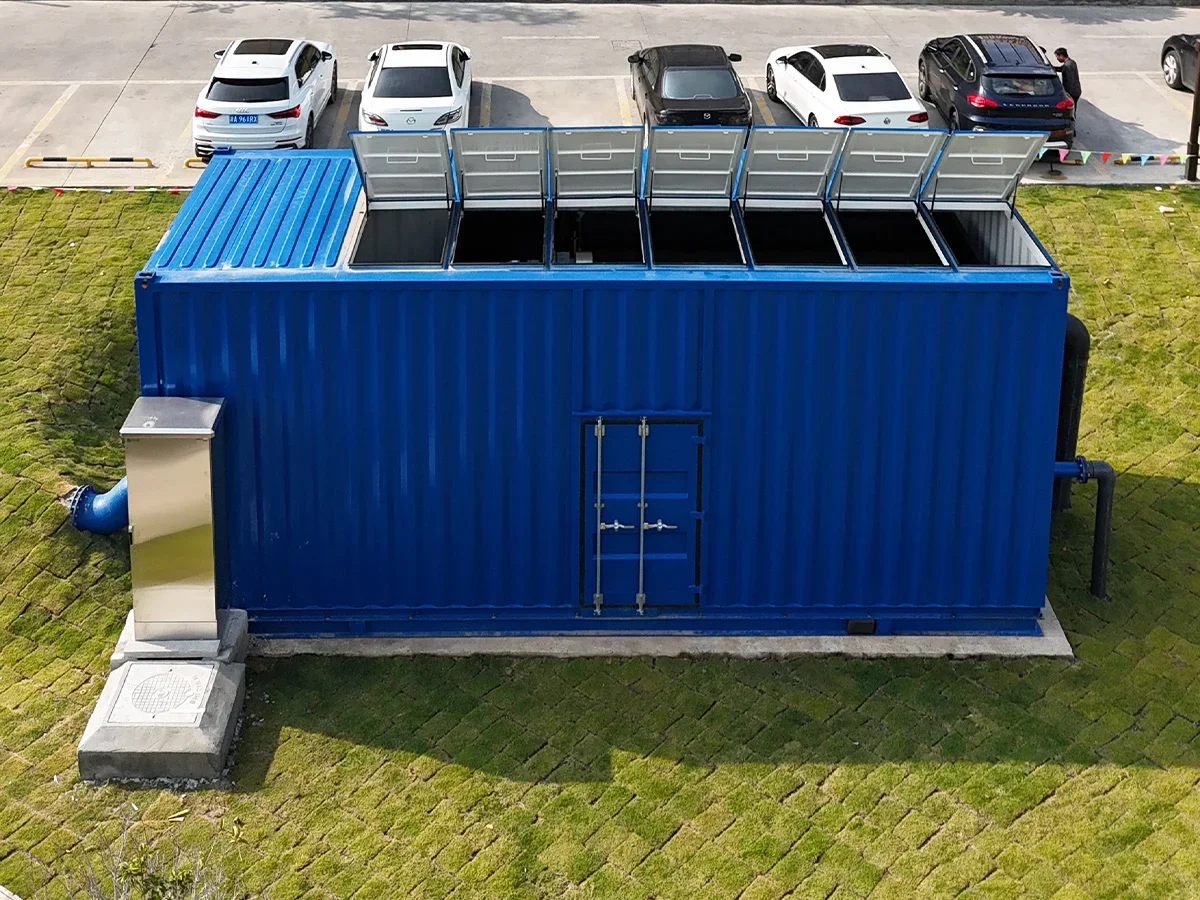
1. Raw Water Quality
The quality of incoming water is one of the most important factors affecting the performance of surface water filtration systems.
Surface water quality can change significantly depending on the season, weather, upstream activities, and the characteristics of the water source. A river may have relatively low turbidity during dry weather but experience a sharp increase in suspended solids after heavy rainfall. Similarly, lakes and reservoirs may experience seasonal algae growth that changes the filtration load.
Important raw water parameters include:
-
Turbidity
-
Suspended solids
-
Algae concentration
-
Silt and sediment
-
Organic matter
-
Plankton
-
Particle size distribution
-
Water temperature
-
pH and chemical characteristics
High concentrations of suspended solids can rapidly load a filter, while large amounts of algae may create a sticky layer on filter media and increase the frequency of cleaning.
For this reason, surface water filtration equipment should be selected based on actual raw water conditions rather than only the nominal treatment capacity.
2. Suspended Solids and Particle Size
Not all particles behave in the same way during filtration. Particle size and distribution have a direct influence on filtration efficiency and pressure loss.
Larger particles are generally easier to capture because they can be physically retained by the filtration media. Smaller particles, however, may pass through a filter if the filtration precision is not appropriate.
Fine particles such as clay, colloids, and very small organic particles can be particularly challenging. They may remain suspended in water for extended periods and contribute to higher turbidity in treated water.
The filtration precision of surface water filtration systems therefore needs to match the target water quality. For example, fine filtration applications may require filter media with a much smaller effective pore size than applications focused primarily on removing larger suspended solids.
Choosing filtration precision should always balance two objectives:
-
Achieving the required effluent quality.
-
Maintaining reasonable filtration capacity and cleaning frequency.
An unnecessarily fine filter may improve particle removal but can also increase clogging and operational requirements.
3. Algae Concentration
Algae are a major challenge for surface water treatment, particularly in lakes and reservoirs.
During periods of warm temperatures and nutrient enrichment, algae populations can increase rapidly. Algae can accumulate on filter surfaces and form a biological layer that restricts water flow.
In addition to increasing filter loading, algae may:
-
Increase turbidity
-
Produce unpleasant odors
-
Contribute to organic loading
-
Cause rapid filter fouling
-
Increase backwash frequency
This means that a filtration system designed for relatively clean surface water may perform very differently during an algae bloom.
Modern surface water filtration systems can use fine filtration media to physically retain algae and other particulate contaminants. However, filtration should be considered as part of an overall water treatment strategy. Depending on the raw water quality and final water requirements, additional processes may still be necessary for dissolved contaminants, microorganisms, taste and odor compounds, or other pollutants.
4. Filter Media Selection
Filter media is at the heart of any filtration system. Its material, structure, pore size, strength, and surface characteristics directly influence filtration performance.
Different filtration technologies use different media, including:
-
Filter cloth
-
Sand
-
Multimedia beds
-
Membranes
-
Fiber-based media
-
Ceramic materials
-
Specialized synthetic media
For cloth-based systems, the characteristics of the filter cloth are especially important. The material must provide an appropriate combination of filtration precision, mechanical strength, chemical resistance, and durability.
A high-quality filter cloth can provide consistent particle capture while allowing sufficient water flow. If the media is unsuitable for the application, operators may experience rapid clogging, excessive head loss, poor effluent quality, or frequent replacement.
Therefore, when evaluating surface water filtration equipment, it is important to look beyond the headline filtration precision and understand the complete properties of the filtration media.
5. Filtration Rate and Hydraulic Loading
Hydraulic loading is another major factor affecting filtration performance.
Every filtration system has a practical operating range. If water flows through the filter too quickly, particles may not have sufficient opportunity to be captured effectively. Excessive flow can also increase the hydraulic load on the media and cause higher pressure loss.
On the other hand, operating at a flow rate that is significantly below the design range may reduce the overall utilization of the equipment.
The relationship between flow rate and filtration area is particularly important when selecting large-scale surface water filtration systems.
A properly sized system should consider:
-
Average flow rate
-
Peak flow rate
-
Required filtration area
-
Raw water quality
-
Target effluent quality
-
Available installation space
-
Future capacity requirements
For large water treatment projects, engineers may use multiple filtration modules operating in parallel. This configuration can provide greater flexibility and allow individual modules to be serviced without shutting down the entire treatment process.
6. Hydraulic Head Loss
Head loss refers to the reduction in water pressure as water passes through the filtration system.
A clean filter normally has relatively low resistance. As particles accumulate on the filtration media, resistance increases and the head loss gradually rises.
Excessive head loss can result in:
-
Reduced flow
-
Higher energy consumption
-
Unstable operation
-
Increased cleaning frequency
-
Reduced overall treatment efficiency
Monitoring head loss is therefore an important part of operating surface water filtration systems.
In systems using automatic control, rising water levels or differential pressure can be used as signals to initiate a cleaning cycle. This helps prevent excessive fouling and maintains more stable hydraulic performance.
7. Backwashing Efficiency
Even high-quality filtration media will eventually accumulate contaminants. Effective cleaning is therefore essential for maintaining long-term performance.
Backwashing removes trapped particles, algae, and other contaminants from the filter surface or media. The effectiveness of this process directly influences the next filtration cycle.
A well-designed automatic backwash system should:
-
Detect when cleaning is required
-
Remove accumulated contaminants effectively
-
Minimize clean water consumption
-
Restore filtration capacity
-
Avoid unnecessary cleaning cycles
In some cloth-based systems, mechanical movement combined with negative-pressure suction can clean the filter surface while maintaining continuous or near-continuous operation.
Backwashing that is too infrequent may allow excessive fouling, while unnecessary backwashing can waste treated water and increase operating costs.
Therefore, the cleaning strategy should be based on actual operating conditions rather than a fixed schedule alone.
8. Pretreatment of Surface Water
Pretreatment can significantly affect the performance and service life of downstream filtration equipment.
Surface water may contain relatively large debris such as:
-
Leaves
-
Branches
-
Grass
-
Plastic materials
-
Aquatic plants
-
Larger particles
If these materials enter a fine filtration unit directly, they can cause blockages or mechanical problems.
A coarse screening stage installed before the main filtration process can remove larger materials and protect the filtration equipment.
For example, a rotating screen can be used as an initial barrier before water enters a finer filtration stage. This approach reduces the risk of large debris accumulating on the filter media.
Effective pretreatment is particularly important for surface water filtration systems treating water directly from rivers, lakes, and reservoirs.
9. Water Temperature
Temperature can also influence filtration performance.
Water viscosity changes with temperature. Cold water generally has higher viscosity, which can affect hydraulic flow and filtration resistance. Biological activity can also vary with temperature, influencing algae growth and organic fouling.
Seasonal changes therefore need to be considered when designing a surface water treatment process.
A system that performs well during moderate temperatures may experience different operating characteristics during winter or summer. Engineers should evaluate expected seasonal conditions rather than relying only on average annual water quality.
10. System Design and Equipment Configuration
The overall design of a filtration system can have a significant impact on performance.
Important design considerations include:
-
Filtration area
-
Filter media configuration
-
Inlet distribution
-
Outlet collection
-
Flow control
-
Backwash system
-
Automatic monitoring
-
Modular configuration
-
Access for maintenance
Uniform water distribution is particularly important. If water is concentrated in only one area of the filter, some media may become overloaded while other areas remain underutilized.
A well-designed filtration unit distributes the incoming water evenly across the available filtration area, improving media utilization and helping maintain consistent effluent quality.
For large projects, modular surface water filtration systems can also provide operational flexibility. Additional modules can potentially be added as treatment demand increases, depending on the original system design.
11. Automation and Process Control
Automation has become increasingly important in modern water treatment.
Manual operation can make it difficult to respond quickly to changing raw water conditions. Automated systems can continuously monitor operating parameters and adjust filtration processes accordingly.
Typical monitoring parameters may include:
-
Water level
-
Differential pressure
-
Flow rate
-
Turbidity
-
Backwash frequency
-
Operating time
-
Equipment status
When the system detects increased filter loading, it can automatically initiate a cleaning cycle. This helps maintain consistent performance without requiring operators to manually inspect the equipment at every stage.
For facilities with variable raw water quality, intelligent process control can be especially valuable.
Conclusion
The performance of surface water filtration systems is influenced by many interconnected factors. Raw water quality, suspended solids, algae concentration, filter media, hydraulic loading, head loss, backwashing, pretreatment, system design, automation, maintenance, and target water quality all play important roles.
There is no single filtration configuration that is ideal for every surface water application. A system designed for a relatively clean reservoir may require a different configuration from one treating highly turbid river water. Likewise, equipment intended for drinking water pretreatment may have different requirements from systems used for irrigation or landscape water treatment.
The most reliable approach is to begin with a detailed understanding of the raw water and project requirements, then select filtration technology, capacity, media, and cleaning methods accordingly. Proper operation and preventive maintenance are equally important for maintaining stable performance over the long term.
By evaluating the entire treatment process rather than focusing on one specification, project owners and engineers can choose surface water filtration systems that provide effective contaminant removal, stable operation, reasonable water consumption, and reliable performance throughout their service life.
http://www.jinhuacn.com
jinhua -
-
AuthorPosts

- You must be logged in to reply to this topic.