- This topic is empty.
-
AuthorPosts
-
15/01/2026 at 11:56 #9880
When people think about skiing performance, they often focus on skis, boots, or bindings. Ski poles are sometimes treated as secondary equipment, chosen quickly without much consideration. In reality, ski pole length plays a critical role in skiing technique, balance, rhythm, and safety. Choosing the correct pole length can make a noticeable difference for beginners learning basic movements and for advanced skiers refining precision and control.
Why Ski Pole Length Matters More Than You Think
Ski poles serve multiple functions beyond simply pushing forward. They assist with balance, help initiate turns, support rhythm, and provide stability on flat terrain or steep slopes. When the pole length is incorrect, these functions are compromised.
Poles that are too long can force skiers into awkward arm positions, disrupt posture, and reduce upper-body flexibility. Poles that are too short limit leverage, weaken pole planting, and reduce confidence on challenging terrain. Over time, incorrect pole length may even contribute to fatigue or strain in the shoulders, elbows, and wrists.
Correct pole length allows the skier to maintain a natural stance, with relaxed shoulders and controlled arm movement, improving both comfort and efficiency.
The Relationship Between Pole Length and Skiing Technique
Turn Initiation and Rhythm
Pole planting is a fundamental movement in many skiing styles, especially in parallel skiing and carving. A properly sized pole allows for clean, timely pole plants that help initiate turns smoothly. This improves rhythm and flow, particularly on groomed runs.
If the pole is too long, the skier may plant it too far behind the body, delaying turn initiation. If it is too short, the plant may feel weak or rushed, breaking rhythm. Correct length supports consistent timing and smooth transitions between turns.
Balance and Upper-Body Position
Good skiing technique depends on a stable upper body and an active lower body. Ski poles help maintain this balance. With the right pole length, the skier’s elbows stay slightly bent, arms forward, and shoulders relaxed.
Incorrect pole length often leads to poor posture. Long poles encourage leaning back or excessive arm movement, while short poles cause hunching or dropped hands. Over time, these habits negatively affect technique and control.
Safety Benefits of Proper Ski Pole Length
Ski safety is not only about helmets and bindings. Equipment that supports proper movement reduces the likelihood of falls and loss of control.
Correct pole length helps skiers:
-
Maintain balance on uneven or icy terrain
-
Regain stability after minor slips
-
Navigate flat sections without excessive effort
-
Control speed and direction more confidently
In off-piste or variable snow conditions, poles are especially important for probing snow depth and maintaining balance. Using poles that match the skier’s height and strength improves reaction time and reduces unnecessary risk.
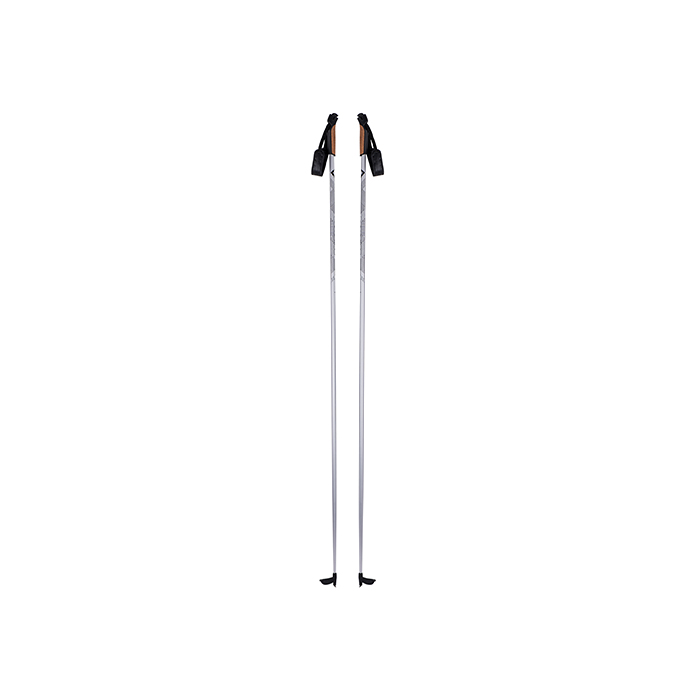
How to Determine the Right Ski Pole Length
While there are general guidelines, ski pole length is not one-size-fits-all. Several factors should be considered together.
Skier Height and Body Proportions
A common starting point is to turn the pole upside down and grip it just under the basket. The elbow should form an angle close to 90 degrees when standing upright. This method provides a baseline, but individual arm length and posture still matter.
Skiing Discipline
Different skiing styles benefit from slightly different pole lengths:
-
Alpine skiing: Standard length focused on balance and turn rhythm
-
Freestyle skiing: Slightly shorter poles for maneuverability and tricks
-
Backcountry and touring: Adjustable poles to adapt to uphill and downhill terrain
Yongbo designs a wide range of options to accommodate these different needs, including fixed and adjustable solutions within their snow ski poles product lineup.
Terrain and Snow Conditions
Steeper slopes and deeper snow often require more active pole use, making proper length even more critical. On flatter terrain, longer poles may help with propulsion, while technical slopes benefit from precise, controlled pole planting.
Common Mistakes When Choosing Ski Poles
Many skiers select poles based on appearance or availability rather than fit. Some common mistakes include:
-
Choosing poles that are too long for added “reach”
-
Using one pole length across multiple skiing disciplines
-
Ignoring changes in technique as skill level improves
-
Overlooking grip comfort and strap adjustment
Correct length works together with grip design, strap fit, and shaft material. A well-balanced pole improves feedback and control without requiring excessive effort.
The Role of Quality Manufacturing in Pole Performance
Even with the correct length, poorly made poles can negatively affect skiing. Weight distribution, shaft stiffness, and grip ergonomics all influence how the pole feels during use.
Professionally manufactured poles, such as those developed by Yongbo, focus on:
-
Consistent length accuracy
-
Durable yet lightweight materials
-
Secure basket attachment
-
Comfortable grips for extended use
Adjusting Pole Length as Skills Improve
As skiers progress, their technique evolves. Beginners may rely heavily on poles for balance, while advanced skiers use them more strategically. This progression may require reassessing pole length over time.
Many experienced skiers eventually fine-tune their pole length by a few centimeters to suit their turning style, speed, and preferred terrain. Adjustable poles are particularly useful for skiers who participate in multiple disciplines or frequently change environments.
Conclusion
Proper ski pole length is a foundational element of good skiing technique and on-slope safety. While often overlooked, it directly affects posture, balance, rhythm, and confidence. Selecting the right length is not about personal preference alone, but about matching equipment to body mechanics, skiing style, and terrain.
For skiers and buyers focused on long-term performance and safety, understanding these factors leads to better decisions and more enjoyable time on the snow. Yongbo continues to support skiers worldwide by providing snow ski poles designed with real-world application and reliability in mind.
http://www.nhyb-outside.com
Yongbo -
-
AuthorPosts

- You must be logged in to reply to this topic.